
How To Beat The Winter Blues & Feel Good Again
Today is Blue Monday (January 26, 2026), so I felt it was important to talk about seasonal affective disorder, also known as The Winter Blues.

It’s currently the middle of winter and for those in the northern hemisphere we have a long while to wait until the warm air begins to awaken.
For anyone prone to seasonal affective disorder or depression, the additional strain of the current state of affairs in the world has a huge impact on our mental health.
So, if thoughts of more long, cold days fill you with dread, read on for some powerful things you can do right now to bolster you through the winter months.
What are the Winter Blues? (Aka Seasonal Affective Disorder)
Seasonal Affective Disorder, or SAD, was brought to light in a 1984 medical paper by Dr. Norman Rosenthal, describing mood variation with the seasons.
Significantly, Dr. Rosenthal himself has warned of the potentially serious implications we face this year, saying…
“SAD is a huge problem at the best of times, and this is not the best of times”.
Today, Seasonal Affective Disorder is more commonly known as major depressive disorder with a seasonal pattern.
Symptoms* of SAD may include:
- Consistent low mood
- Crying, often with no apparent trigger
- Sleeping for too long
- Increased appetite and cravings for carbohydrates
- Social withdrawal and a reduced interest in activities that once provided pleasure
- Difficulty concentrating
- Overeating and possible weight gain
- Suicidal ideation
As you can see from the list above, SAD is more than feeling a little blue now and then.
If you or someone you know suffers from Seasonal affective disorder, please talk to your GP/family doctor about a treatment plan to get you through the winter months.
This post contains affiliate links. This means I may earn a small commission if you decide to make a purchase through my links, at no extra cost to you. Read my disclosure info here.
12 Ways to Boost Your Mood Before the Onset of Winter

“Sometimes the most important thing in a whole day is the rest we take between two deep breaths.”
– Etty Hillesum
1. Support Your Brain Health
Taking care of your mental wellness is the first vital step in preparing for seasonal changes, no matter what time of the year it is.
Did you know that SAD is also experienced by some people during the summer months?
Don’t delay, arrange a visit to your GP/family doctor to discuss the best ways to support your brain health.
Treatments may include:
- Antidepressant medication
- Light therapy
- Therapy from a licensed therapist
- Or a combination of the above
If you’re looking for a therapist… check out Psychology Today. They have an excellent ‘Find a Therapist‘ resource that supports 20 countries.
2. Be Kind to Your Mind

Intrusive thoughts can add to the overwhelm of S.A.D. That’s why it’s a good idea to keep a thought journal and immediately mind-dump any intrusive thoughts that come up.
The idea is to become aware of your thoughts so you can develop strategies for dealing with intrusive thoughts.
Give yourself a daily dose of kindness, try:
- Returning to your Breath (Breath awareness)
- Mindfulness meditation
- Affirmations to gently focus and settle an overactive mind.
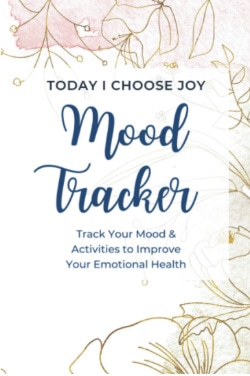
Tip: You can also try some mood journaling. This means you’ll track your mood and activities daily. By tracking your moods and activities you’ll soon be amazed at how your habits will change and you’ll find new ways to feel good and look after yourself.
Check out my Mood Tracker available on Amazon…
Today I Choose Joy: Mood Tracker
3. Boost Your Physical Vitality
Give yourself an energy boost by cultivating a mind-body connection.
Layer up for warmth and go for a short walk, or get a burst of exercise outside. This has the added benefit of giving you a daily dose of natural light.
When the weather is too harsh, consider the following indoor activities:
- Yoga stretching (try Yoga with Adriene on YouTube, it’s fun and free)
- A body-weight workout indoors
- A daily exercise challenge activity with others, (make up your own or join one on social – eg. squat challenge)
4. Nurture Daily Connections
The winter blues can leave you feeling isolated and alone, which can have a devastating effect on your mental health. That’s why it’s so important to nurture daily connections.
Some gentle gestures to nurture connection include:
- Returning to your breath to help regulate and garner a sense of connection within your whole body (this is called breath awareness).
- Reach out on social media or text a friend
- Cuddle a beloved pet or soft teddy bear
- Call or text a friend or loved one.
Related: 125 Simple Pleasures in Life To Fill You with Joy
5. Eat Well
The weather is getting colder and the days shorter, triggering a natural impulse to reach for carbohydrate-rich “comfort foods”.
Decide to adopt the 80:20 rule, and determine that 80% of the time you will eat to nourish and sustain your body’s energy levels.
The remaining 20% is reserved for those little indulgences we enjoy, but may not necessarily sustain our energy in the long term.
Things to remember:
- When feeling depressed, you tend to crave sweets and carbohydrate-rich foods because they provide short-term feelings of euphoria.
- The sugar high triggered by carbohydrate-rich comfort food doesn’t last and is thought to increase feelings of anxiety and depression.
- Track what you are eating, it really helps you see your eating patterns so you can determine if you’re meeting your daily nutrient requirements.
6. Light Up Your Space

Bright light within the first hour of waking up each day has been shown to initiate a change in brain chemicals linked to mood.
This is why Light therapy, or phototherapy, can be extremely powerful.
Some things that can help you make the most of the morning sunlight:
- Set your alarm on your phone and physically put your phone away from reach
- Get up to turn off your alarm and immediately throw open the blinds or curtains (you can hit the bed again if you need to, just make sure you let the light in first)
- Make it your personal mission to get out of bed bright and early to let the light in! (bonus points if you go for a walk in the morning light)
Recommended Light Therapy Tools You Can Use at Home:
- Light Therapy Lamp with adjustable brightness levels & memory function
- Philips Wake-Up Alarm Clock with coloured sunrise simulation and sunset fading night light – I use mine every day and the slow sunrise feels like a warm hug. I love it so much.
7. Spend Some Time Outdoors Each Day
I find that spending quality time outside in natural sunlight can have a huge impact on resetting my mood. Even 5 minutes at a time can make a big difference.
I know if you’re feeling down, it can feel like a lot to force yourself to get outside, so try the following to help:
- Reward yourself with a good cup of tea or coffee once you’ve gone outside
- Set an alarm as a reminder and do it before you convince yourself otherwise
- Find an accountability partner and take a photo of yourself outside so they can cheer you on
8. Establish a Regular Sleep Pattern
Taking the time to create a healthy sleep routine not only improves your emotional well-being, but also your physical health.
The first thing you need to do: Determine how much sleep you need and adapt your schedule to accommodate your requirements.
👉 Your goal is to go to bed and set your alarm to wake up at the same time each morning.
I find it a real struggle to get up early in the morning, but I don’t want to miss out on precious sunlight. This means I need to go to bed a little earlier to get the sleep I need.
Here are my tips on establishing a regular sleep pattern:
- If, like me, you need more than the standard eight hours of sleep, don’t fight it. Get to bed early with your favourite evening routine, and you’ll thank yourself in the morning.
- Track your sleeping habits and have regular rest breaks throughout the day.
- Don’t beat yourself up if you are feeling overwhelmed or sluggish in the afternoon and want to nap. So your nap doesn’t affect your sleep at night, set an alarm for 45 minutes (Albert Einstein regularly took “productivity” naps during the day)
- Set the mood before bedtime. Minimize your screen time and block out any outside light (such as from street lights). Set your alarm clock to a soothing tone so you won’t be woken up with a start in the morning.
9. Try a Little Hygge

By now, I’m sure you’ve heard of Hygge (pronounced “hoo-guh”).
I love how this Danish/Norwegian word can simultaneously be an adjective, verb and a noun, which describes a mood of coziness.
In essence, Hygge is a way of life for our Scandi friends.
Here are some simple ways to create your own Hygge hideaway at home:
- Fill your space with cozy comforts – comfy blankets, soft cushions and anything that makes you feel a sense of being wrapped in warmth (candles, lamps, a string of fairy lights, a splash of warm colour)
- Wear comfy, layered clothing and have a hot-water bottle on hand for those chilly moments.
- Pick or buy yourself some fresh flowers and bathe your senses in the colours, scent and soft textures. A nice substitute if you can’t get hold of fresh flowers is aromatherapy oils or infused candles.
- Disconnect from technology for a while and snuggle up with a book or mindfulness activity such as colouring, crochet, knitting or writing in your journal.
Related: The Best Cozy Hygge Gift Ideas
10. Focus on Your 5 Senses
Take notice of your 5 senses throughout your day (sight, scent, touch, sound and taste).
Intentionally look for things that make each sense happy. I’ll give you an example of mine…
- Sight: Looking at an old photo
- Scent: Lavender essential oil
- Touch: A hug from my dog or husband
- Sound: My new Kate Bush album
- Taste: Dark chocolate
The idea is to make each of these things happen… Pull up that photo and enjoy looking at it for a while, diffuse your essential oils, walk up to your spouse and ask for a hug, get out that record or playlist and listen, and of course, eat that chocolate. 🙂
11. Adopt a Simple Self-Care Routine
In case you didn’t know, self-care is not about buying the latest moisturizer or bubble bath; it’s extremely personal to you.
Self-care is doing things to look after yourself – both your current and future self.
Here’s what works for me when I’m struggling to take care of myself:
- Be kind to yourself and give yourself encouragement every day. When you are feeling overwhelmed, ask yourself: “What do I need right now?”
- Keep it simple, don’t layer expectations on yourself to create the “perfect” self-care routine. Remember, done is better than perfect, and true self-care is in little things. Make a big deal of those tiny acts of self-care such as showering, cleaning your teeth, or turning up on your yoga mat.
- Practice gratitude with a beautiful gratitude journal (or a good book).
- Do something you enjoy – try an old or new hobby
More self-care ideas: 12 Winter Self-Care Ideas To Take Care of You
12. Make Yourself a Priority
Lastly, make a promise to yourself to prioritize yourself and your emotional wellness by:
- Noticing the things that lift you up and make small changes to include these things in your daily schedule.
- Be aware of what decreases your mood so you can reduce these triggers – my mood tracker journal is helpful for this.
- Be flexible as you learn what works for you.
- Don’t beat yourself up if you don’t manage to do the things you planned.
How To Cope with The Winter Blues: Final Thoughts
Don’t forget: The dark days begin to brighten a little when you begin to do little things every day to boost your mood. So, start small and see what works best for you.
Mental Health Crisis Services:
- Canada – Crisisline.ca or Canada Mental Health Support
- United States – Mental Health America
- United Kingdom – NHS Mental Health Services
Related Mental Health Resources:
- 10 Reasons Why Life is Beautiful & Worth Living
- 30 Self Love Journal Prompts to Boost Self Esteem
- 100 Inspiring Quotes To Give You Strength When You’re Feeling Low
- Free Printable Mood Trackers
- 15 Ways To Get Motivated To Shower When Depressed

About Yolanda
Website Owner / Content Creator
I’m passionate about helping you live life to the fullest so you can choose to find happiness and purpose. Learn how to CREATE THE LIFE YOU LOVE with intentional living and discovery of the simple things life has to offer. Learn more!

SAD is difficult especially these last 2 years. I use self care routines, meditation and exercising to deal with it. Great tips thank you for sharing this post!
Love the tips! SAD is a big topic in the PNW and I use a light box. Great ideas here.
Glad you enjoyed Stephanie!
I live in Michigan alone so I am really starting to feel this. My therapist highly recommends for me to move south once my undergrad is over. I really like how you add on additional points to your tips. One thing that has also helped me is an essential oil diffuser. Great article!
An essential oil diffuser helps me so much too. I completely understand about giving somewhere that is cold. I’m in Canada. Getting outside and walking even when you don’t feel like it always makes a difference too. Thanks for writing Asavari & take care!
I have dealt with SAD for many years and I agree, I believe that this year will be very difficult for many of us. I have never heard of Hygge and love the idea of it. Will be trying. Have a~ blessed day
I agree that this year will most likely be even more difficult due to the pandemic. I have experienced this myself already and now here comes winter. I appreciate this post and will refer back to it as needed this winter. Thanks you for sharing.
Hi Julie – thanks for sharing. I think acknowledging that you’ ve experienced SAD before is actually an important step. This way you can take charge of it when stuck inside more frequently in the winter.
These are some great suggestions. SAD is something that I have struggled with each year and, you’re right, this year is going to come with an even bigger challenge for people. Luckily, we’re seeing summer-like weather here right now in November, which has been helping. I am trying to spend as much time outside as I can, while I can. But, I know that this is limited and winter is just around the corner… I’m going to put some of your suggestions to use!
Thanks for sharing Britt. Whenever we have less sun S.A.D can definitely take over. Great idea to think about what new things you can do this winter. I say let’s digg up the ice skates, snow shoes and tobogans!
This year I believe that people who didn’t previously have SAD will experience it for the first time. This information is crucial for everyone this year. Thank you so much for this post. I will be saving it to share with client and friends.
Hi Stephanie, I completely agree with you. During these strange times I think we all need to be aware of seasonal affective disorder. Anything we can do that’s a bit different this year can be really helpful – especially for people living with freezing winters. Thanks for bringing this up and for your support 🙂
This is going to be a long winter, we are getting our first major snowstorm this weekend. I love your tips, and really want to try some adult yoga. My girls are homeschooling so we have been doing unicorn yoga (a game) and cosmic kids yoga which I will admit has made me break a sweat haha. Thank you for raising awareness of such an important topic. Really great tips to get through SAD.
Hey Jenn, yes, this is going to be a long winter, I can feel it already! Yoga with Adriene really is a life-line for me, she is so relatable and caring as she gently encourages you through simple at-home practices.
I love your magical approach to home schooling and getting through this time together with your girls. What is unicorn yoga, sounds fun? As does the cosmic kids yoga. Perhaps you and your girls might like to try her Adriene’s Rainbow Yoga session (for all ages), it’s free on YouTube here https://youtu.be/dF7O6-QabIo
Thank you for your lovely comment, I’m glad you enjoyed my tips … every little helps 🙂